Start with the room, not the brochure
A new window changes more than the view. It affects how a room feels, how you let fresh air in and how your home looks from the street. Before comparing designs, write down what you like about your existing windows and what you want to improve.
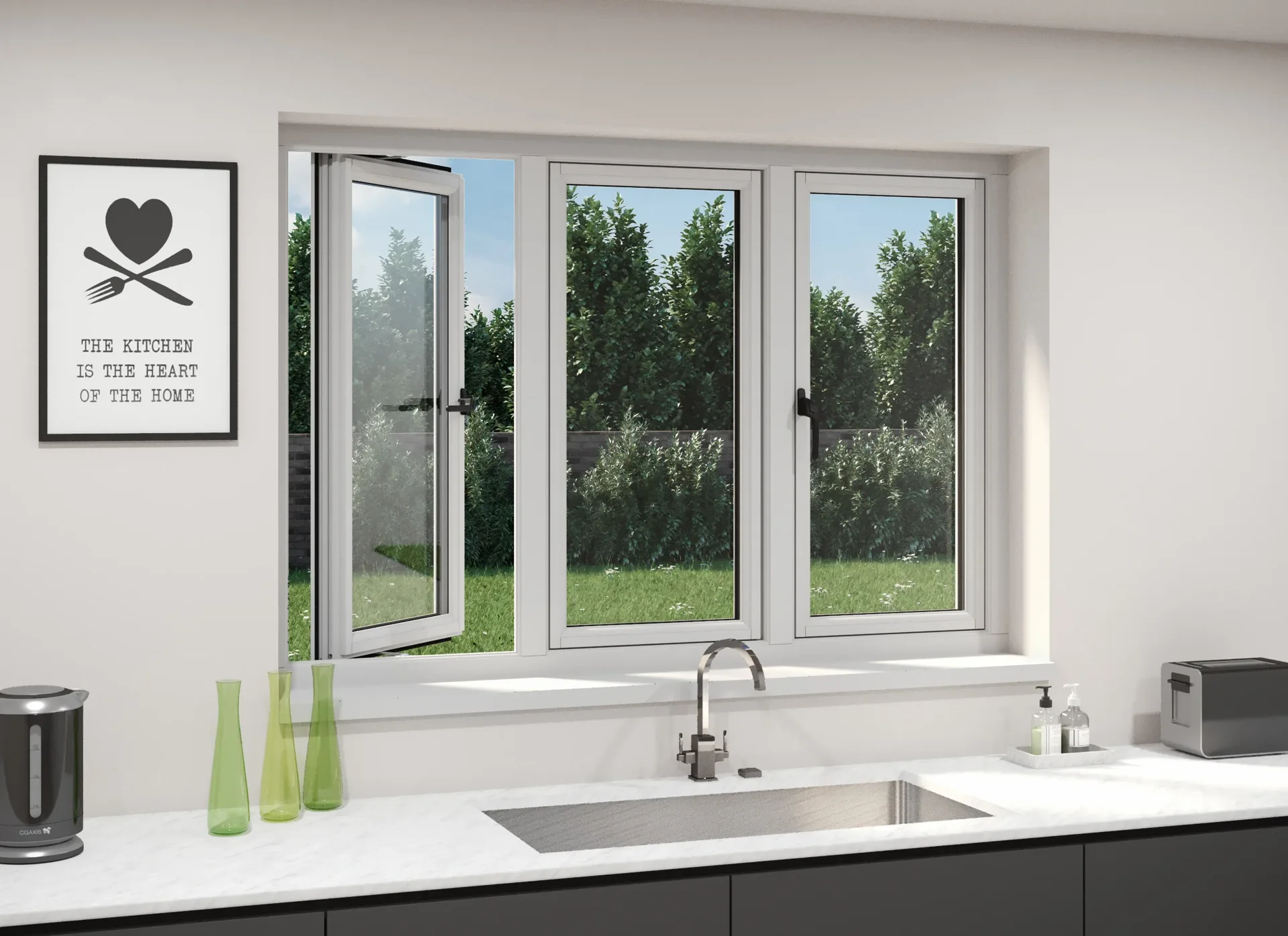
Walk through the house room by room. A kitchen window above a worktop has different practical demands from a bedroom window or a large living-room bay. Think about access, furniture and everyday use.
Find a style that fits the house
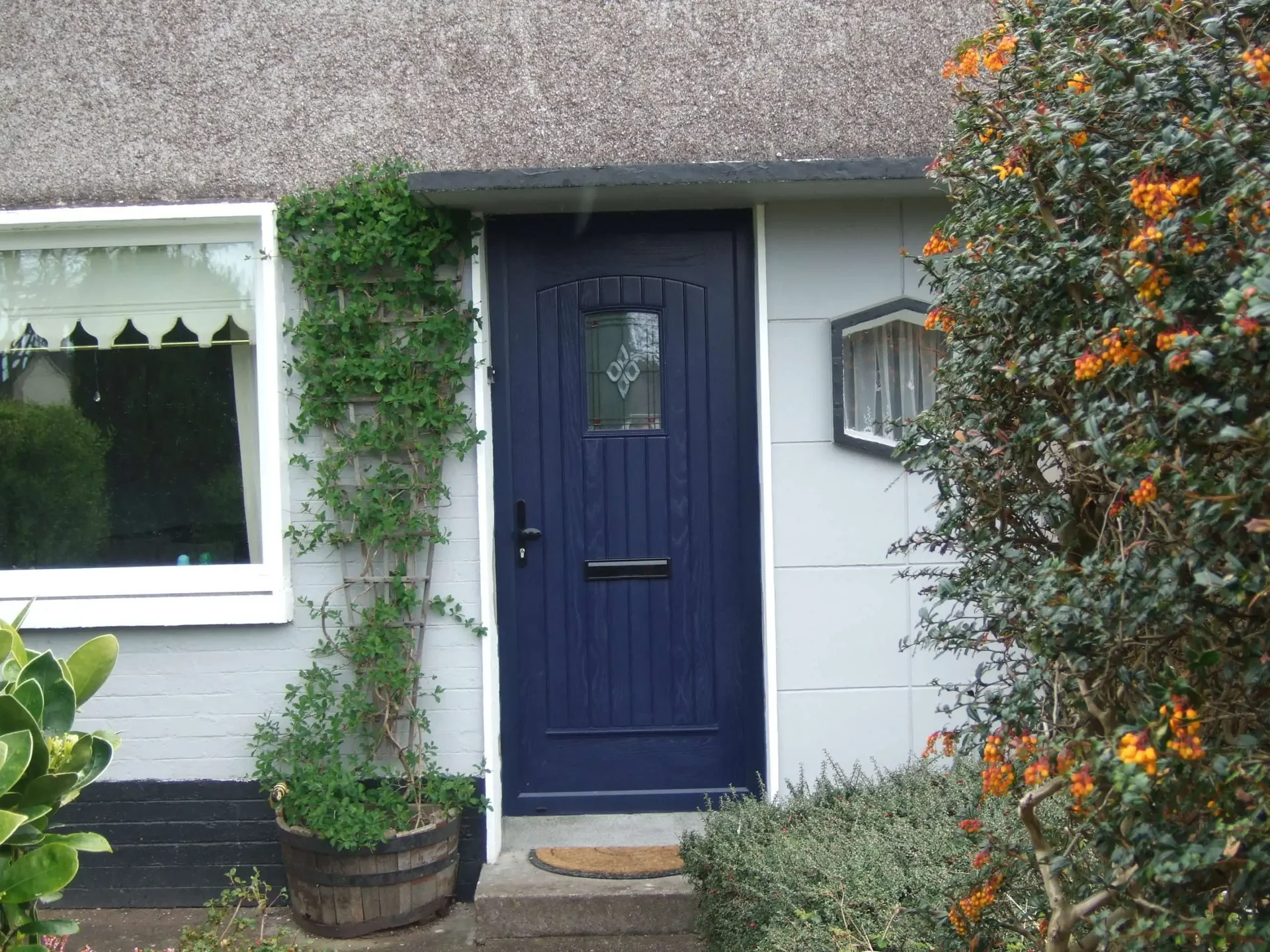
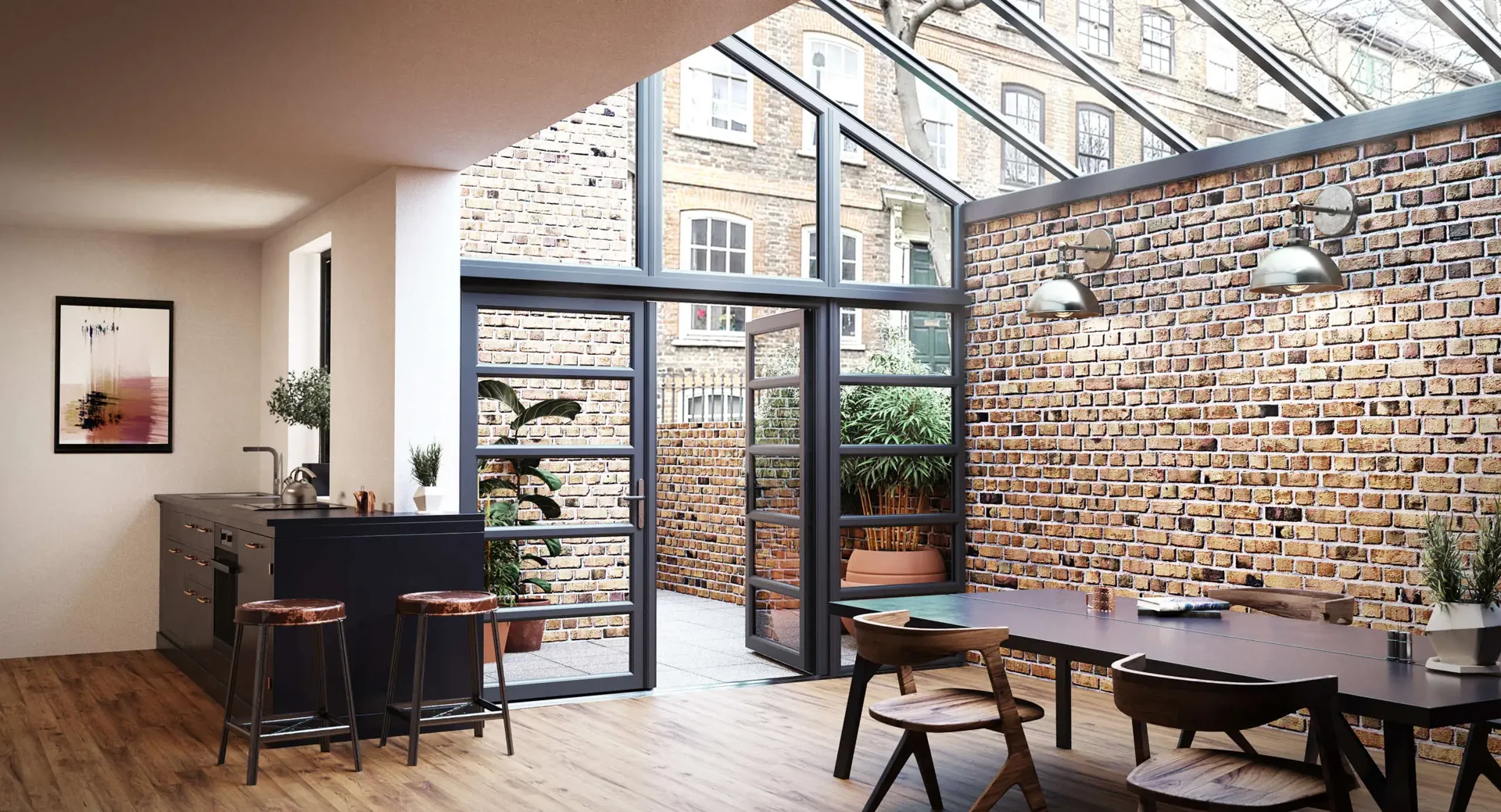
Look at the proportions of the openings, the age of the property and the details you want to keep. Casement, bay and sliding sash styles each create a different appearance. A photograph of the whole elevation can help you see how the windows work together.
Frame colours and glazing bars can make a substantial difference. Ask to see the available finishes rather than relying on a small image on a screen.
Ask about the complete specification
Glazing is one part of the window. Ask about the frame system, opening arrangement, ventilation and installation as well. Compare written specifications so you understand what each quotation includes.
If energy performance or noise is a priority, explain that at the outset. Ask for evidence relating to the actual product being proposed rather than assuming all windows perform the same way.
Make the quotation easy to understand
A useful quotation sets out the products, installation work, disposal, making good and any applicable guarantees. Discuss access to the property and what you need to move before installation.
You do not need to know every technical term before asking for advice. Bring your questions, photographs and priorities. The right conversation should leave you clearer about your options.